School Field trips
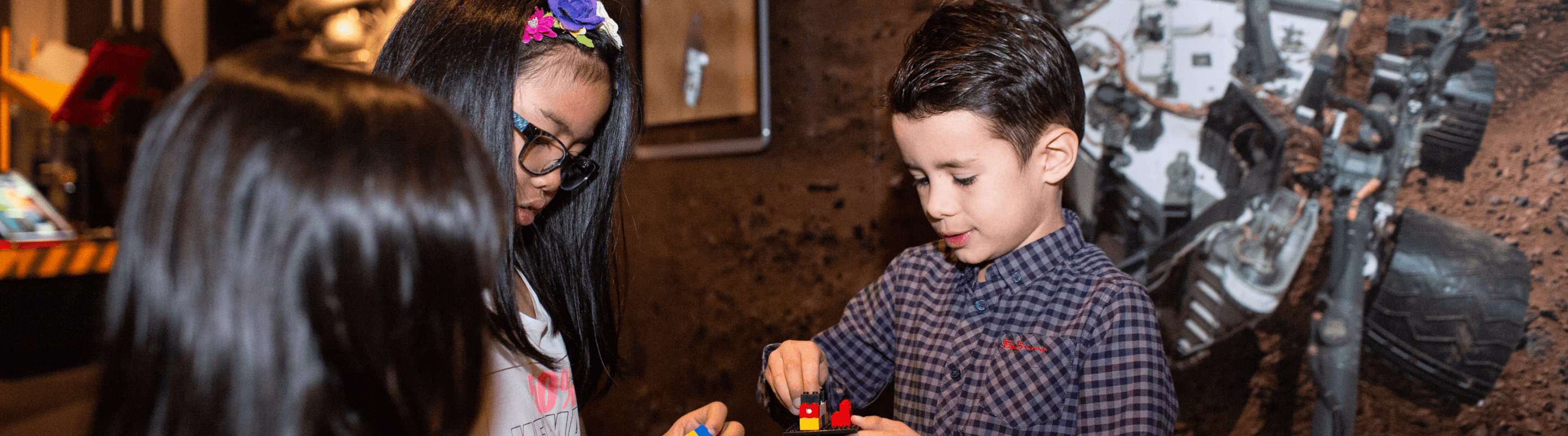
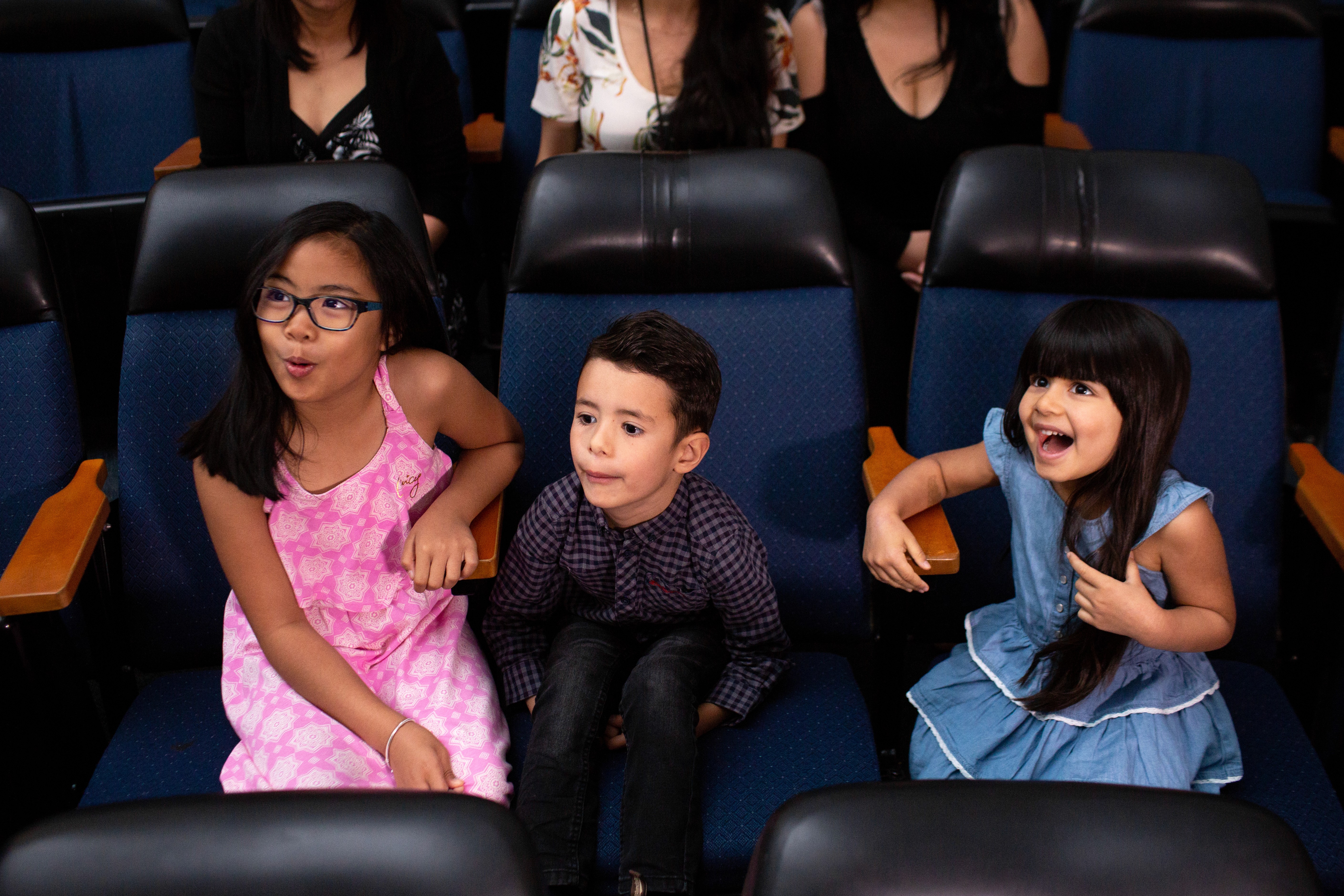
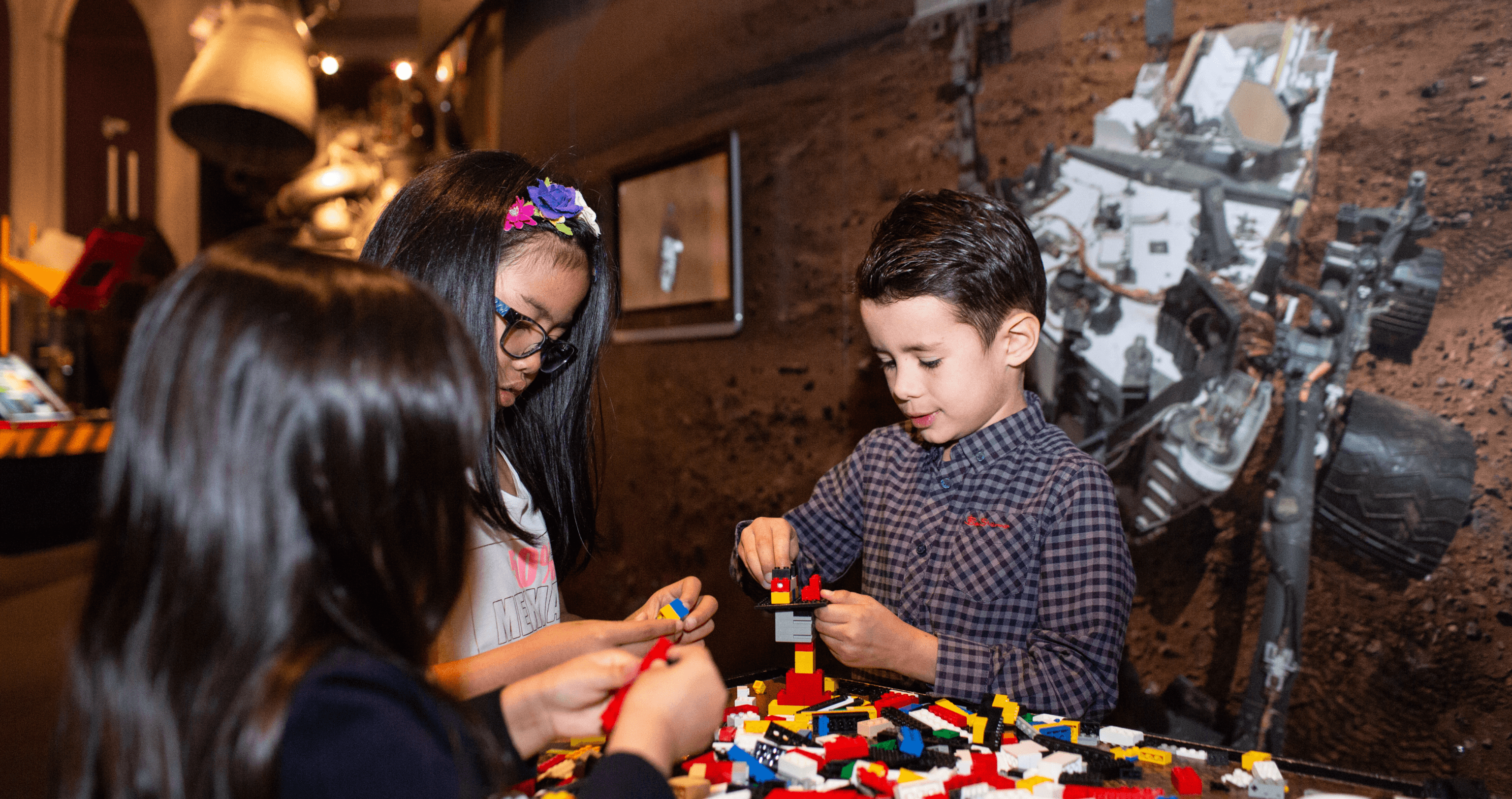
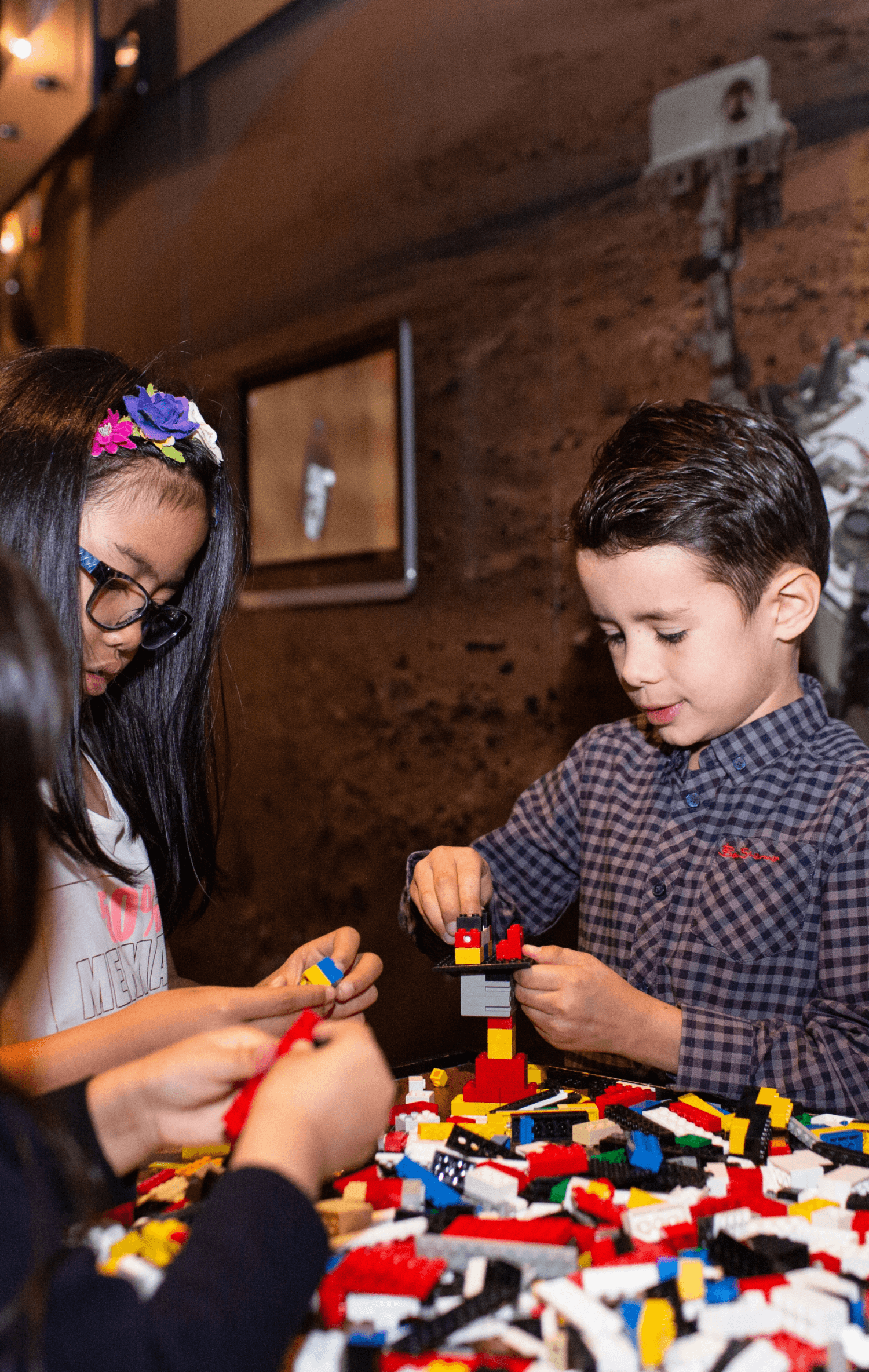
Are you a teacher looking for opportunities to get your students excited about science? Or perhaps you’re a homeschooling parent in search of engaging activities that complement what you’re teaching at home. We offer in-person field trips for grades 1, 4-7, and Secondary classes.

SUBMIT A BOOKING REQUEST
What to Expect
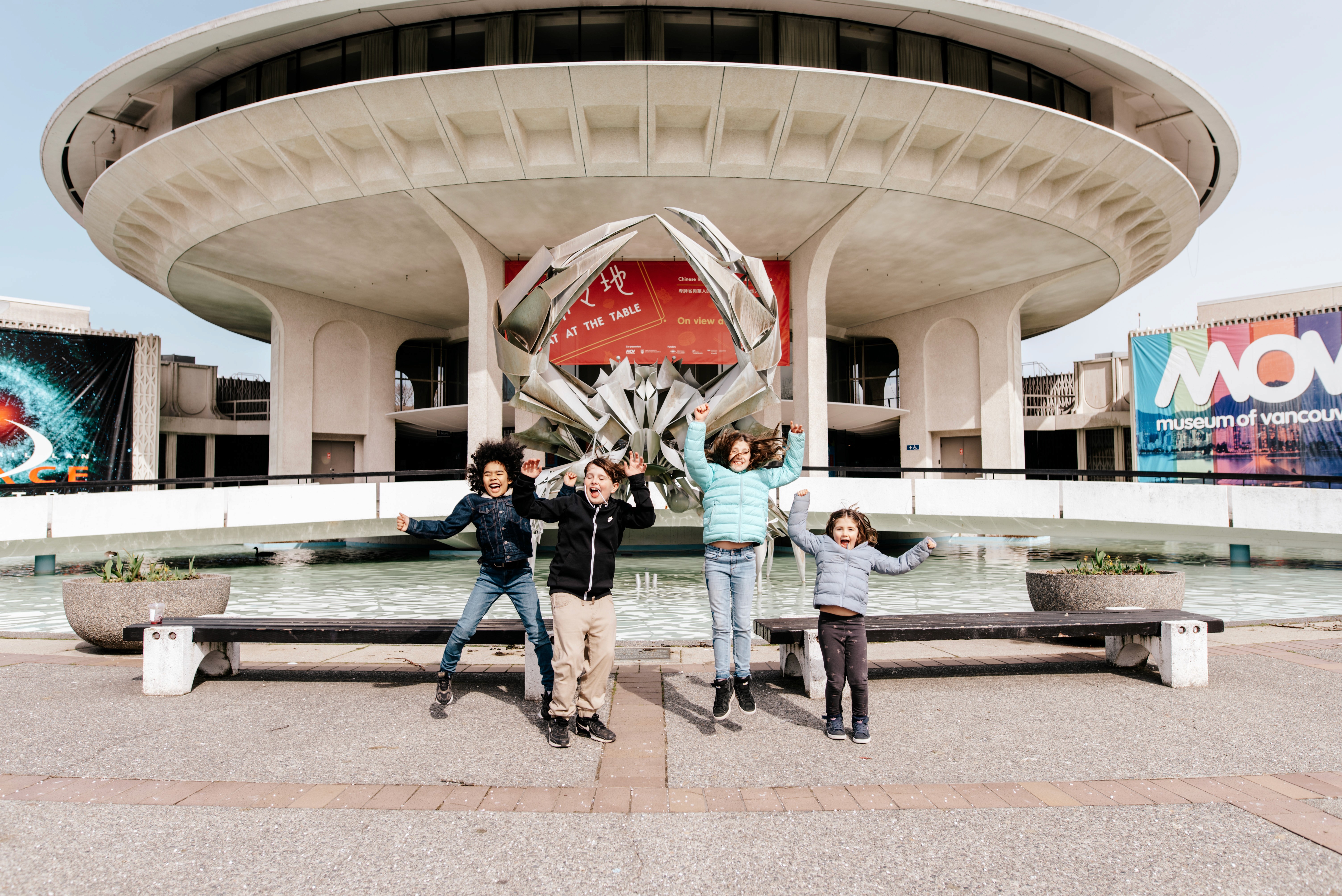
At the H.R. MacMillan Space Centre, we are committed to creating an inclusive environment where we can embrace our shared humanity and explore the wonders of space science together.
The investment ranges from $11.65 to $25.40 per student, depending on the length of the trip. The minimum group size for field trips is 15 students
If your grade is not listed, please contact our Bookings Office at bookings@spacecentre.ca or call (604) 738-7853 for a customized visit to meet your unique needs.

SUBMIT A BOOKING REQUEST
Field Trips
Workshops
Live science demonstrations
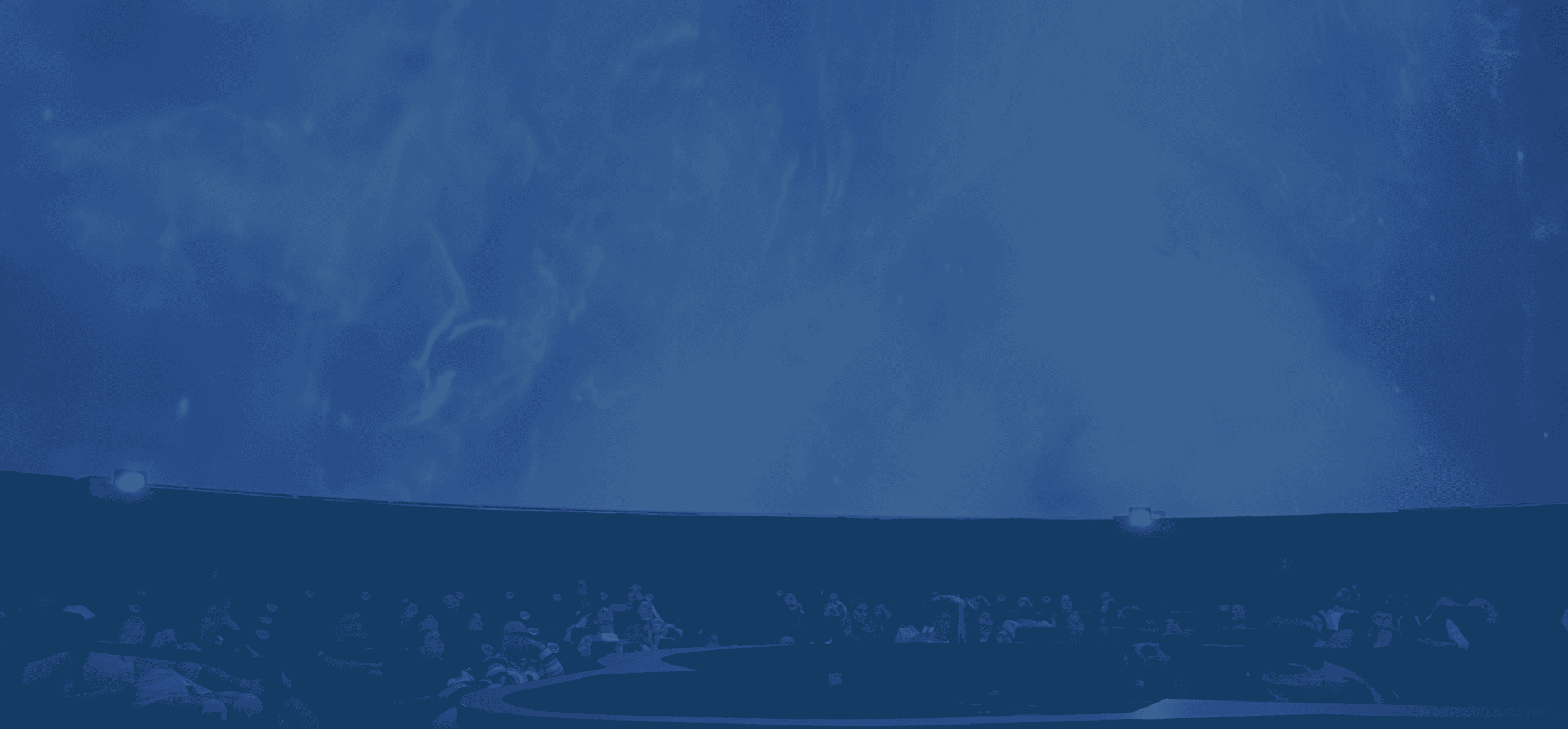
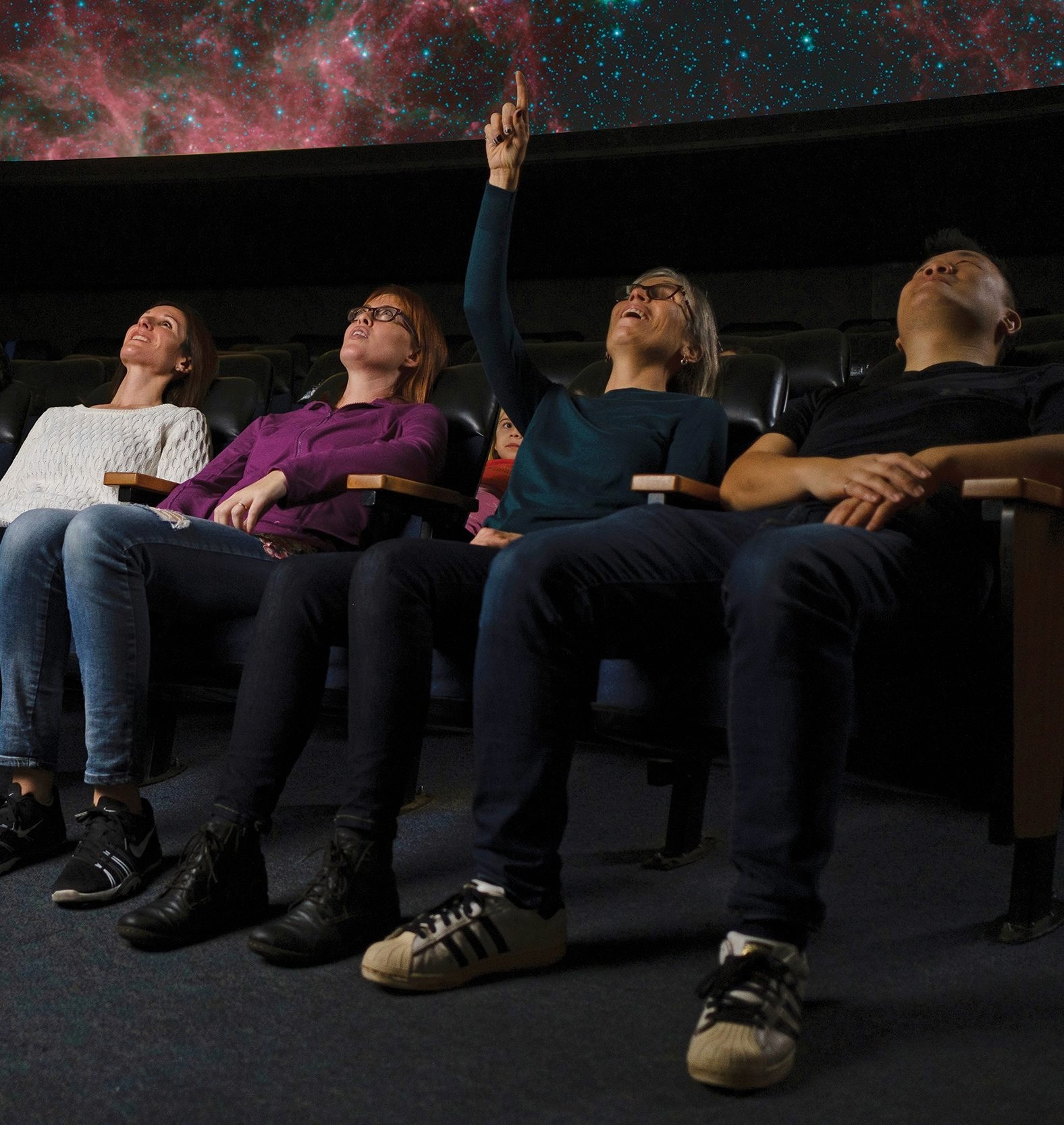
A show in the planetarium
A visit to the Cosmic Courtyard Gallery
School Curriculums
Emphasizes respectful, holistic inclusion of Indigenous knowledge
Supports deeper understanding of key content areas
Programs focus on key questions and real-world application
Students practice skills like observation and questioning
School Curriculums

Primary Grades (1 - 3)
Intermediate Grades (4 - 7)
Secondary Grades (8 - 12)
These introductory programs focus on how seasonal changes affect living things. We offer two inquiry-based workshops that can meet your class where they are at in understanding how observations have led to us understanding our planet. Choose a Groundstation Canada Theatre demonstration, a Planetarium show, and a Workshop.
COSMIC COURTYARD:
Visit our space-themed, hands-on exhibit space. Students can enjoy a range of activities like Star Stuff, morphing into an alien, touching a Moon rock, trying to lift a meteorite.
PLANETARIUM SHOW
One Sky Project: Indigenous Astronomy
This collection of three short films made for the One Sky Project features Indigenous perspectives of astronomy, space, time and navigation that have been inspiring minds for millennia.
Thunderbird: The sky is a powerful tool for measuring time, and for the Diné, or Navajo people, the Thunderbird transcends space and time, revealing the passage of seasons and connecting earth and sky.
Celestial Canoe: A First People of what is now northern Canada, the Innu, watched the slow turn of a canoe in the sky mirroring the change in seasons on land. This celestial canoe guided them through a particularly challenging part of the year.
Hawaiian Wayfinders: Hear from a Hawaiian navigator as she describes how the sky provides a compass and calendar for the oceanic people whose voyages connected islands throughout the Pacific Ocean.
GROUNDSTATION CANADA SHOW
Day in Space
Introduce your students to the world of the International Space Station (ISS) where astronauts live and work. This live science show addresses the differences between living and working on Earth versus the microgravity environment of the ISS. What exactly do astronauts do up there? From microgravity experiments to eating and sleeping while floating - find out what it takes to live and work in space
HANDS-ON WORKSHOPS
Secrets of the Sky
Students identify how animals, plants and humans react to the similarities and differences between day, night, and the seasons.
Observable patterns and cycles occur in the local sky and landscape
Day and Night and how it affects nocturnal or diurnal animals
Seasons and how sunlight affects living things including ourselves
This Little Light of Mine
What is light and how do astronomers make use of its properties? Students will experiment with different tools and use observation and questioning skills to develop a better understanding of the properties of light and sources of natural and artificial light.
Natural vs artificial light sources, explore observations with flashlights
Observable patterns and cycles occur in the local sky and landscape
Natural Light provides us with day and night, and helps plants grow
PROGRAM OPTIONS
(Times below include a lunch break)
Program A $25.40: Planetarium Show, GroundStation Canada, Workshop & Cosmic Courtyard exhibit space
Indigenous Astronomy (Planetarium)
Day in Space (GroundStation Canada)
Secrets of the Sky or This Little Light of Mine (Workshop)
(approximately 3 hours and 30 minutes)
Program B $19.25: Planetarium Show, Workshop & Cosmic Courtyard exhibit space
Indigenous Astronomy (Planetarium)
Secrets of the Sky or This Little Light of Mine (Workshop)
(approximately 3 hours)
Program C $17.70: Planetarium Show, GroundStation Canada & Cosmic Courtyard exhibit space
Indigenous Astronomy (Planetarium)
Day in Space (GroundStation Canada)
(approximately 2 hours 30 minutes)
Program D $11.65: Planetarium Show & Cosmic Courtyard exhibit space
Indigenous Astronomy (Planetarium)
(approximately 2 hours)
VISITOR GUIDELINES
Health and Safety
Expected Behaviour
Child Supervision
Photography
School Field trips
Are you a teacher looking for opportunities to get your students excited about science? Or perhaps you’re a homeschooling parent in search of engaging activities that complement what you’re teaching at home. We offer in-person field trips for grades 1, 4-7, and Secondary classes.
SUBMIT A BOOKING REQUEST
School Field trips
Are you a teacher looking for opportunities to get your students excited about science? Or perhaps you’re a homeschooling parent in search of engaging activities that complement what you’re teaching at home. We offer in-person field trips for grades 1, 4-7, and Secondary classes.
SUBMIT A BOOKING REQUEST

What to Expect
At the H.R. MacMillan Space Centre, we are committed to creating an inclusive environment where we can embrace our shared humanity and explore the wonders of space science together.
The investment ranges from $11.65 to $25.40 per student, depending on the length of the trip. The minimum group size for field trips is 15 students
If your grade is not listed, please contact our Bookings Office at bookings@spacecentre.ca or call (604) 738-7853 for a customized visit to meet your unique needs.
SUBMIT A BOOKING REQUEST
Field Trips
Workshops
Live science demonstrations
A show in the planetarium
A visit to the Cosmic Courtyard Gallery
School Curriculums
Emphasizes respectful, holistic inclusion of Indigenous knowledge
Supports deeper understanding of key content areas
Programs focus on key questions and real-world application
Students practice skills like observation and questioning
What to Expect
At the H.R. MacMillan Space Centre, we are committed to creating an inclusive environment where we can embrace our shared humanity and explore the wonders of space science together.
The investment ranges from $11.65 to $25.40 per student, depending on the length of the trip. The minimum group size for field trips is 15 students
If your grade is not listed, please contact our Bookings Office at bookings@spacecentre.ca or call (604) 738-7853 for a customized visit to meet your unique needs.
SUBMIT A BOOKING REQUEST
Field Trips
Workshops
Live science demonstrations
A show in the planetarium
A visit to the Cosmic Courtyard Gallery
School Curriculums
Emphasizes respectful, holistic inclusion of Indigenous knowledge
Supports deeper understanding of key content areas
Programs focus on key questions and real-world application
Students practice skills like observation and questioning
School Curriculums

Primary (Gr. 1-3)
Intermediate (Gr. 4-7)
Secondary (Gr. 8-12)
These introductory programs focus on how seasonal changes affect living things. We offer two inquiry-based workshops that can meet your class where they are at in understanding how observations have led to us understanding our planet. Choose a Groundstation Canada Theatre demonstration, a Planetarium show, and a Workshop.
COSMIC COURTYARD:
Visit our space-themed, hands-on exhibit space. Students can enjoy a range of activities like Star Stuff, morphing into an alien, touching a Moon rock, trying to lift a meteorite.
PLANETARIUM SHOW
One Sky Project: Indigenous Astronomy
This collection of three short films made for the One Sky Project features Indigenous perspectives of astronomy, space, time and navigation that have been inspiring minds for millennia.
Thunderbird: The sky is a powerful tool for measuring time, and for the Diné, or Navajo people, the Thunderbird transcends space and time, revealing the passage of seasons and connecting earth and sky.
Celestial Canoe: A First People of what is now northern Canada, the Innu, watched the slow turn of a canoe in the sky mirroring the change in seasons on land. This celestial canoe guided them through a particularly challenging part of the year.
Hawaiian Wayfinders: Hear from a Hawaiian navigator as she describes how the sky provides a compass and calendar for the oceanic people whose voyages connected islands throughout the Pacific Ocean.
GROUNDSTATION CANADA SHOW
Day in Space
Introduce your students to the world of the International Space Station (ISS) where astronauts live and work. This live science show addresses the differences between living and working on Earth versus the microgravity environment of the ISS. What exactly do astronauts do up there? From microgravity experiments to eating and sleeping while floating - find out what it takes to live and work in space
HANDS-ON WORKSHOPS
Secrets of the Sky
Students identify how animals, plants and humans react to the similarities and differences between day, night, and the seasons.
Observable patterns and cycles occur in the local sky and landscape
Day and Night and how it affects nocturnal or diurnal animals
Seasons and how sunlight affects living things including ourselves
This Little Light of Mine
What is light and how do astronomers make use of its properties? Students will experiment with different tools and use observation and questioning skills to develop a better understanding of the properties of light and sources of natural and artificial light.
Natural vs artificial light sources, explore observations with flashlights
Observable patterns and cycles occur in the local sky and landscape
Natural Light provides us with day and night, and helps plants grow
PROGRAM OPTIONS
(Times below include a lunch break)
Program A: Planetarium Show, GroundStation Canada, Workshop & Cosmic Courtyard exhibit space $25.40
Indigenous Astronomy (Planetarium)
Day in Space (GroundStation Canada)
Secrets of the Sky or This Little Light of Mine (Workshop)
(approximately 3 hours and 30 minutes)
Program B: Planetarium Show, Workshop & Cosmic Courtyard exhibit space $19.25
Indigenous Astronomy (Planetarium)
Secrets of the Sky or This Little Light of Mine (Workshop)
(approximately 3 hours)
Program C: Planetarium Show, GroundStation Canada & Cosmic Courtyard exhibit space $17.70
Indigenous Astronomy (Planetarium)
Day in Space (GroundStation Canada)
(approximately 2 hours 30 minutes)
Program D: Planetarium Show & Cosmic Courtyard exhibit space $11.65
Indigenous Astronomy (Planetarium)
(approximately 2 hours)
School Curriculums
Primary (Gr. 1-3)
Intermediate (Gr. 4-7)
Secondary (Gr. 8-12)
These introductory programs focus on how seasonal changes affect living things. We offer two inquiry-based workshops that can meet your class where they are at in understanding how observations have led to us understanding our planet. Choose a Groundstation Canada Theatre demonstration, a Planetarium show, and a Workshop.
COSMIC COURTYARD:
Visit our space-themed, hands-on exhibit space. Students can enjoy a range of activities like Star Stuff, morphing into an alien, touching a Moon rock, trying to lift a meteorite.
PLANETARIUM SHOW
One Sky Project: Indigenous Astronomy
This collection of three short films made for the One Sky Project features Indigenous perspectives of astronomy, space, time and navigation that have been inspiring minds for millennia.
Thunderbird: The sky is a powerful tool for measuring time, and for the Diné, or Navajo people, the Thunderbird transcends space and time, revealing the passage of seasons and connecting earth and sky.
Celestial Canoe: A First People of what is now northern Canada, the Innu, watched the slow turn of a canoe in the sky mirroring the change in seasons on land. This celestial canoe guided them through a particularly challenging part of the year.
Hawaiian Wayfinders: Hear from a Hawaiian navigator as she describes how the sky provides a compass and calendar for the oceanic people whose voyages connected islands throughout the Pacific Ocean.
GROUNDSTATION CANADA SHOW
Day in Space
Introduce your students to the world of the International Space Station (ISS) where astronauts live and work. This live science show addresses the differences between living and working on Earth versus the microgravity environment of the ISS. What exactly do astronauts do up there? From microgravity experiments to eating and sleeping while floating - find out what it takes to live and work in space
HANDS-ON WORKSHOPS
Secrets of the Sky
Students identify how animals, plants and humans react to the similarities and differences between day, night, and the seasons.
Observable patterns and cycles occur in the local sky and landscape
Day and Night and how it affects nocturnal or diurnal animals
Seasons and how sunlight affects living things including ourselves
This Little Light of Mine
What is light and how do astronomers make use of its properties? Students will experiment with different tools and use observation and questioning skills to develop a better understanding of the properties of light and sources of natural and artificial light.
Natural vs artificial light sources, explore observations with flashlights
Observable patterns and cycles occur in the local sky and landscape
Natural Light provides us with day and night, and helps plants grow
PROGRAM OPTIONS
(Times below include a lunch break)
Program A: Planetarium Show, GroundStation Canada, Workshop & Cosmic Courtyard exhibit space $25.40
Indigenous Astronomy (Planetarium)
Day in Space (GroundStation Canada)
Secrets of the Sky or This Little Light of Mine (Workshop)
(approximately 3 hours and 30 minutes)
Program B: Planetarium Show, Workshop & Cosmic Courtyard exhibit space $19.25
Indigenous Astronomy (Planetarium)
Secrets of the Sky or This Little Light of Mine (Workshop)
(approximately 3 hours)
Program C: Planetarium Show, GroundStation Canada & Cosmic Courtyard exhibit space $17.70
Indigenous Astronomy (Planetarium)
Day in Space (GroundStation Canada)
(approximately 2 hours 30 minutes)
Program D: Planetarium Show & Cosmic Courtyard exhibit space $11.65
Indigenous Astronomy (Planetarium)
(approximately 2 hours)
VISITOR GUILDLINES
Health and Safety
Expected Behaviour
Child Supervision
Photography
VISITOR GUILDLINES
Health and Safety
Expected Behaviour
Child Supervision
Photography
School Field trips
Are you a teacher looking for opportunities to get your students excited about science? Or perhaps you’re a homeschooling parent in search of engaging activities that complement what you’re teaching at home. We offer in-person field trips for grades 1, 4-7, and Secondary classes.
SUBMIT A BOOKING REQUEST
School Field trips
Are you a teacher looking for opportunities to get your students excited about science? Or perhaps you’re a homeschooling parent in search of engaging activities that complement what you’re teaching at home. We offer in-person field trips for grades 1, 4-7, and Secondary classes.
SUBMIT A BOOKING REQUEST

What to Expect
At the H.R. MacMillan Space Centre, we are committed to creating an inclusive environment where we can embrace our shared humanity and explore the wonders of space science together.
The investment ranges from $11.65 to $25.40 per student, depending on the length of the trip. The minimum group size for field trips is 15 students
If your grade is not listed, please contact our Bookings Office at bookings@spacecentre.ca or call (604) 738-7853 for a customized visit to meet your unique needs.
SUBMIT A BOOKING REQUEST
Field Trips
Workshops
Live science demonstrations
A show in the planetarium
A visit to the Cosmic Courtyard Gallery
School Curriculums
Emphasizes respectful, holistic inclusion of Indigenous knowledge
Supports deeper understanding of key content areas
Programs focus on key questions and real-world application
Students practice skills like observation and questioning
What to Expect
At the H.R. MacMillan Space Centre, we are committed to creating an inclusive environment where we can embrace our shared humanity and explore the wonders of space science together.
The investment ranges from $11.65 to $25.40 per student, depending on the length of the trip. The minimum group size for field trips is 15 students
If your grade is not listed, please contact our Bookings Office at bookings@spacecentre.ca or call (604) 738-7853 for a customized visit to meet your unique needs.
SUBMIT A BOOKING REQUEST
Field Trips
Workshops
Live science demonstrations
A show in the planetarium
A visit to the Cosmic Courtyard Gallery
School Curriculums
Emphasizes respectful, holistic inclusion of Indigenous knowledge
Supports deeper understanding of key content areas
Programs focus on key questions and real-world application
Students practice skills like observation and questioning
School Curriculums
Primary Grades (1-3)
These introductory programs focus on how seasonal changes affect living things. We offer two inquiry-based workshops that can meet your class where they are at in understanding how observations have led to us understanding our planet. Choose a Groundstation Canada Theatre demonstration, a Planetarium show, and a Workshop.
COSMIC COURTYARD:
Visit our space-themed, hands-on exhibit space. Students can enjoy a range of activities like Star Stuff, morphing into an alien, touching a Moon rock, trying to lift a meteorite.
PLANETARIUM SHOW
One Sky Project: Indigenous Astronomy
This collection of three short films made for the One Sky Project features Indigenous perspectives of astronomy, space, time and navigation that have been inspiring minds for millennia.
Thunderbird: The sky is a powerful tool for measuring time, and for the Diné, or Navajo people, the Thunderbird transcends space and time, revealing the passage of seasons and connecting earth and sky.
Celestial Canoe: A First People of what is now northern Canada, the Innu, watched the slow turn of a canoe in the sky mirroring the change in seasons on land. This celestial canoe guided them through a particularly challenging part of the year.
Hawaiian Wayfinders: Hear from a Hawaiian navigator as she describes how the sky provides a compass and calendar for the oceanic people whose voyages connected islands throughout the Pacific Ocean.
GROUNDSTATION CANADA SHOW
Day in Space
Introduce your students to the world of the International Space Station (ISS) where astronauts live and work. This live science show addresses the differences between living and working on Earth versus the microgravity environment of the ISS. What exactly do astronauts do up there? From microgravity experiments to eating and sleeping while floating - find out what it takes to live and work in space
HANDS-ON WORKSHOPS
Secrets of the Sky
Students identify how animals, plants and humans react to the similarities and differences between day, night, and the seasons.
Observable patterns and cycles occur in the local sky and landscape
Day and Night and how it affects nocturnal or diurnal animals
Seasons and how sunlight affects living things including ourselves
This Little Light of Mine
What is light and how do astronomers make use of its properties? Students will experiment with different tools and use observation and questioning skills to develop a better understanding of the properties of light and sources of natural and artificial light.
Natural vs artificial light sources, explore observations with flashlights
Observable patterns and cycles occur in the local sky and landscape
Natural Light provides us with day and night, and helps plants grow
PROGRAM OPTIONS
(Times below include a lunch break)
Program A: Planetarium Show, GroundStation Canada, Workshop & Cosmic Courtyard exhibit space $25.40
Indigenous Astronomy (Planetarium)
Day in Space (GroundStation Canada)
Secrets of the Sky or This Little Light of Mine (Workshop)
(approximately 3 hours and 30 minutes)
Program B: Planetarium Show, Workshop & Cosmic Courtyard exhibit space $19.25
Indigenous Astronomy (Planetarium)
Secrets of the Sky or This Little Light of Mine (Workshop)
(approximately 3 hours)
Program C: Planetarium Show, GroundStation Canada & Cosmic Courtyard exhibit space $17.70
Indigenous Astronomy (Planetarium)
Day in Space (GroundStation Canada)
(approximately 2 hours 30 minutes)
Program D: Planetarium Show & Cosmic Courtyard exhibit space $11.65
Indigenous Astronomy (Planetarium)
(approximately 2 hours)
Intermediate Grades (4-7)
Secondary Grades (8-12)
School Curriculums
Primary Grades (1-3)
These introductory programs focus on how seasonal changes affect living things. We offer two inquiry-based workshops that can meet your class where they are at in understanding how observations have led to us understanding our planet. Choose a Groundstation Canada Theatre demonstration, a Planetarium show, and a Workshop.
COSMIC COURTYARD:
Visit our space-themed, hands-on exhibit space. Students can enjoy a range of activities like Star Stuff, morphing into an alien, touching a Moon rock, trying to lift a meteorite.
PLANETARIUM SHOW
One Sky Project: Indigenous Astronomy
This collection of three short films made for the One Sky Project features Indigenous perspectives of astronomy, space, time and navigation that have been inspiring minds for millennia.
Thunderbird: The sky is a powerful tool for measuring time, and for the Diné, or Navajo people, the Thunderbird transcends space and time, revealing the passage of seasons and connecting earth and sky.
Celestial Canoe: A First People of what is now northern Canada, the Innu, watched the slow turn of a canoe in the sky mirroring the change in seasons on land. This celestial canoe guided them through a particularly challenging part of the year.
Hawaiian Wayfinders: Hear from a Hawaiian navigator as she describes how the sky provides a compass and calendar for the oceanic people whose voyages connected islands throughout the Pacific Ocean.
GROUNDSTATION CANADA SHOW
Day in Space
Introduce your students to the world of the International Space Station (ISS) where astronauts live and work. This live science show addresses the differences between living and working on Earth versus the microgravity environment of the ISS. What exactly do astronauts do up there? From microgravity experiments to eating and sleeping while floating - find out what it takes to live and work in space
HANDS-ON WORKSHOPS
Secrets of the Sky
Students identify how animals, plants and humans react to the similarities and differences between day, night, and the seasons.
Observable patterns and cycles occur in the local sky and landscape
Day and Night and how it affects nocturnal or diurnal animals
Seasons and how sunlight affects living things including ourselves
This Little Light of Mine
What is light and how do astronomers make use of its properties? Students will experiment with different tools and use observation and questioning skills to develop a better understanding of the properties of light and sources of natural and artificial light.
Natural vs artificial light sources, explore observations with flashlights
Observable patterns and cycles occur in the local sky and landscape
Natural Light provides us with day and night, and helps plants grow
PROGRAM OPTIONS
(Times below include a lunch break)
Program A: Planetarium Show, GroundStation Canada, Workshop & Cosmic Courtyard exhibit space $25.40
Indigenous Astronomy (Planetarium)
Day in Space (GroundStation Canada)
Secrets of the Sky or This Little Light of Mine (Workshop)
(approximately 3 hours and 30 minutes)
Program B: Planetarium Show, Workshop & Cosmic Courtyard exhibit space $19.25
Indigenous Astronomy (Planetarium)
Secrets of the Sky or This Little Light of Mine (Workshop)
(approximately 3 hours)
Program C: Planetarium Show, GroundStation Canada & Cosmic Courtyard exhibit space $17.70
Indigenous Astronomy (Planetarium)
Day in Space (GroundStation Canada)
(approximately 2 hours 30 minutes)
Program D: Planetarium Show & Cosmic Courtyard exhibit space $11.65
Indigenous Astronomy (Planetarium)
(approximately 2 hours)
Intermediate Grades (4-7)
Secondary Grades (8-12)
VISITOR GUIDELINES
Health and Safety
Expected Behaviour
Child Supervision
Photography
VISITOR GUIDELINES
Health and Safety
Expected Behaviour
Child Supervision
Photography
GET INVOLVED
H.R. MacMillan Space Centre
1100 Chestnut Street
Vancouver, BC, V6J 3J9
(604)738-7827
Territory Acknowledgement
The HR MacMillan Space Centre and the city of Vancouver is located on the shared, unceded, and ancestral territories of the xʷməθkʷəy̓əm (Musqueam), Sḵwx̱wú7mesh (Squamish), and səlilwətaɬ (Tsleil-Waututh) Nations. We are grateful to live, work, and learn on these lands.
H.R. MacMillan Space Centre Society
Charitable Registration Number: 10681 2183 RR0001
© H.R. MacMillan Space Centre 2025
H.R. MacMillan Space Centre
1100 Chestnut Street
Vancouver, BC, V6J 3J9
(604) 738-7827
GET INVOLVED
Territory Acknowledgement
The HR MacMillan Space Centre and the city of Vancouver is located on the shared, unceded, and ancestral territories of the xʷməθkʷəy̓əm (Musqueam), Sḵwx̱wú7mesh (Squamish), and səlilwətaɬ (Tsleil-Waututh) Nations. We are grateful to live, work, and learn on these lands.
H.R. MacMillan Space Centre
1100 Chestnut Street
Vancouver, BC, V6J 3J9
(604) 738-7827
GET INVOLVED
Territory Acknowledgement
The HR MacMillan Space Centre and the city of Vancouver is located on the shared, unceded, and ancestral territories of the xʷməθkʷəy̓əm (Musqueam), Sḵwx̱wú7mesh (Squamish), and səlilwətaɬ (Tsleil-Waututh) Nations. We are grateful to live, work, and learn on these lands.
H.R. MacMillan Space Centre Society
Charitable Registration Number: 10681 2183 RR0001
© H.R. MacMillan Space Centre 2025
Stay In Our Orbit
Be the first to know about special events and offers.
SIGN UP FOR NEWSLETTERS
H.R. MacMillan Space Centre
1100 Chestnut Street
Vancouver, BC, V6J 3J9
(604) 738-7827
GET INVOLVED
Territory Acknowledgement
The HR MacMillan Space Centre and the city of Vancouver is located on the shared, unceded, and ancestral territories of the xʷməθkʷəy̓əm (Musqueam), Sḵwx̱wú7mesh (Squamish), and səlilwətaɬ (Tsleil-Waututh) Nations. We are grateful to live, work, and learn on these lands.
H.R. MacMillan Space Centre Society
Charitable Registration Number: 10681 2183 RR0001
© H.R. MacMillan Space Centre 2025
Stay In Our Orbit
Be the first to know about special events and offers.
SIGN UP FOR NEWSLETTERS
H.R. MacMillan Space Centre
1100 Chestnut Street
Vancouver, BC, V6J 3J9
(604) 738-7827
GET INVOLVED
Territory Acknowledgement
The HR MacMillan Space Centre and the city of Vancouver is located on the shared, unceded, and ancestral territories of the xʷməθkʷəy̓əm (Musqueam), Sḵwx̱wú7mesh (Squamish), and səlilwətaɬ (Tsleil-Waututh) Nations. We are grateful to live, work, and learn on these lands.
H.R. MacMillan Space Centre Society
Charitable Registration Number: 10681 2183 RR0001
© H.R. MacMillan Space Centre 2025